
By Erik Zellmer
Membership-based retail warehouses, or “club stores” such as Costco, BJs, and Sam’s Club, have surged in popularity with consumers. Collectively, these three brands generated more than $769 billion in revenue in 2024 and are anticipating an annual growth rate of 5.5 percent over the next three years, according to retail media research firm Future Commerce.
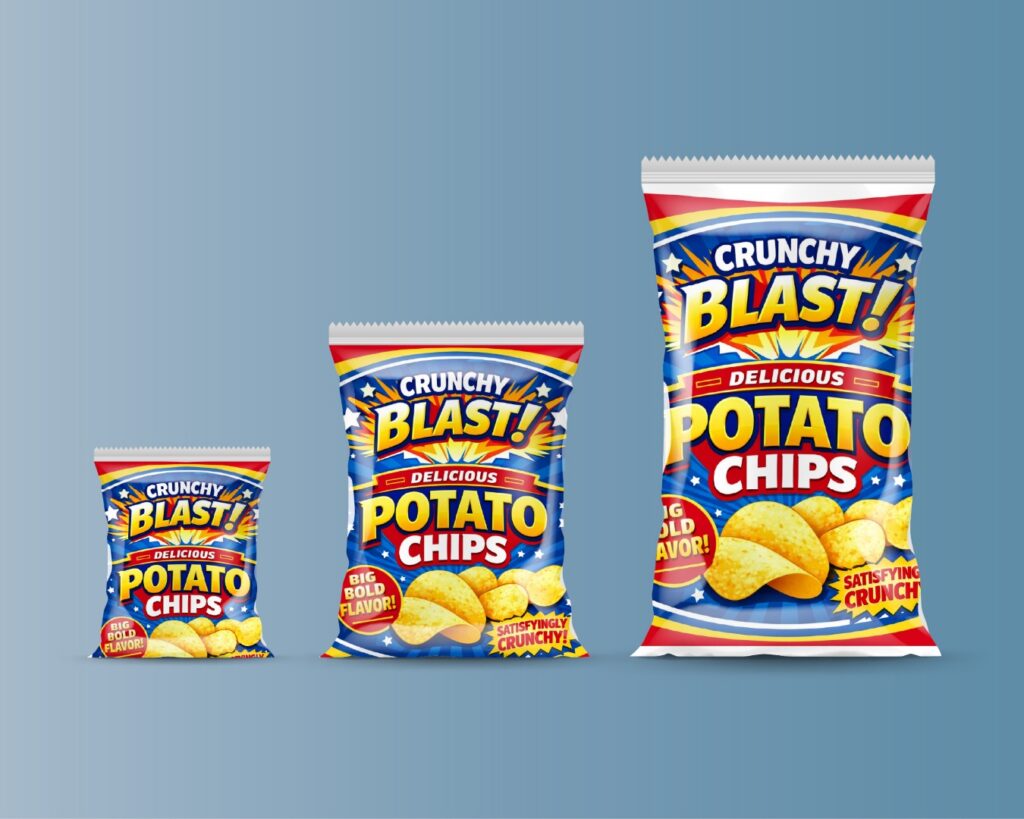
One reason for this growth is consumers’ shifting preferences towards single-serve products that offer quick, easy use with minimal preparation. Club stores have responded by offering a wide variety of single-serve units packaged together in bulk, often in variety packs featuring multiple flavors and options. This is where flexibility in packaging machines really shines.
Gone are the days when machines were designed to run one size and style of bag. Today, food manufacturers must run multiple SKUs to meet the demands of club stores and other retailers. Doing so successfully requires packaging equipment with a high level of flexibility to accommodate different SKUs.
However, not every packaging machine can deliver that level of flexibility when it comes to effective, efficient changeovers. This is an important distinction that separates ProMach’s Flexible Packaging Group from other equipment brands. While most machines are built with some degree of flexibility, the changeover speed is where Matrix and Bartelt truly shine.
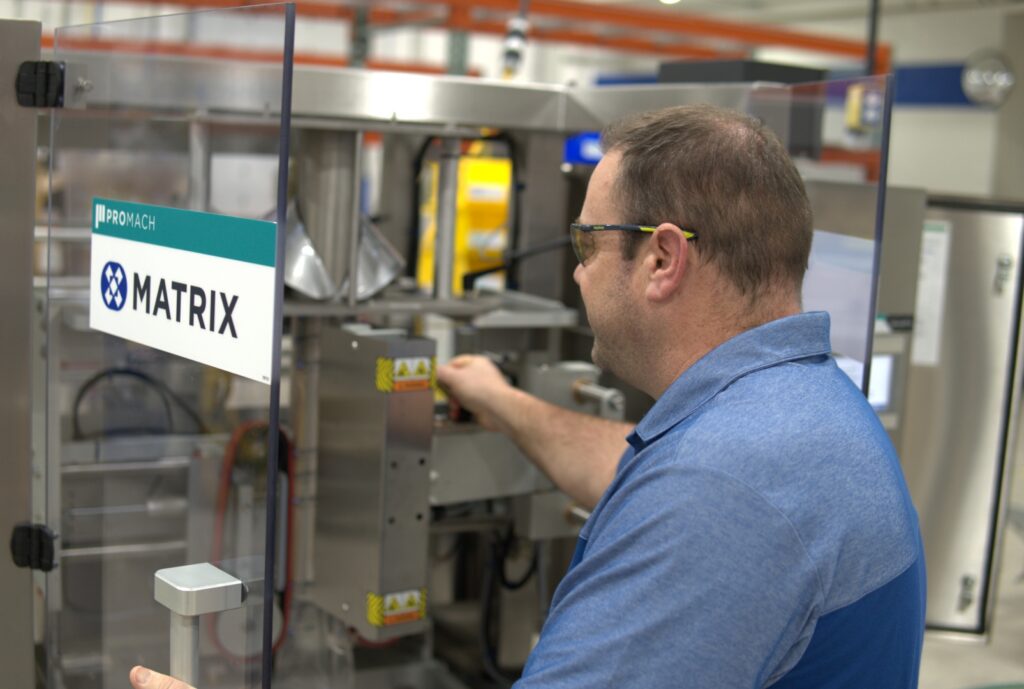
Concern about changeovers is something we hear often from customers. Many note that while machines can run different sizes and styles of packaging, the real challenge is minimizing downtime during changeovers. We accomplish that through fast, easy, servo-driven changeovers. The advantages of servo-driven changeovers are repeatability and consistency, two factors that virtually eliminate the guesswork when moving from one SKU to another. Pre-set recipes designed for different SKUs allow operators to complete changeovers in just minutes, significantly reducing costly downtime. These automated features are intuitive and can be performed by operators of all skill levels.
Of course, the value of flexibility extends well beyond club stores. For example, a recent customer was in the market for a new bagger to package shelled peanuts for sale in Major League Baseball (MLB) stadiums. Machine flexibility was essential for this application, as the customer was packaging peanuts in a wide range of sizes, from 4-ounces to 5-pound bulk bags, while co-packing for different MLB teams. We recommended the MVC-300 continuous motion vertical form fill seal machine. The ability to use one platform that can run the five-ounce bags at speeds up to 150 bags per minute, while also handling the heavy five-pound bags, was a key factor in the manufacturer’s decision to select the MVC-300.
Success in today’s retail environment requires a clear vision and the ability to anticipate market trends. Bartelt’s history dates to the 1940s, while Matrix was founded in the 1980s. What has driven the long-term success of both brands is a relentless focus on the customer and the development of designs that improve efficiency. Flexibility is crucial today, and our packaging solutions are built to meet the trends of tomorrow.

Erik Zellmer is the Midwest Regional Sales Director for ProMach’s Flexible Packaging Group, which includes Matrix, Bartelt, and HMC Products. He can be reached at Erik.Zellmer@ProMachBuilt.com.
Subscribe to our email list for the latest in flexible packaging news.
ProMach’s Flexible Packaging Group (FPG) brings together the expertise of Ossid, Matrix, Bartelt, HMC, and CL&D to offer a single, trusted point of contact for diverse packaging needs. By working together as one team, the FPG makes it easier to make decisions and provides customized, complete solutions from the first idea all the way to the finished product.