How Sustainability Is Shaping Labeling Materials in the Beverage Industry
In today’s beverage industry, sustainability isn’t just a buzzword; it’s a driving force behind innovation, especially in food packaging. As consumer expectations and environmental regulations evolve, brands are rethinking every component of their packaging, including the labels.
As brands adopt lightweight or recyclable containers, label materials must evolve in parallel. Compatibility between label and container is critical, not just for aesthetics and application, but also for recyclability and environmental compliance. Label converters and co-packers work closely to ensure materials align with both sustainability goals and production capabilities.
Smarter Materials and Innovations
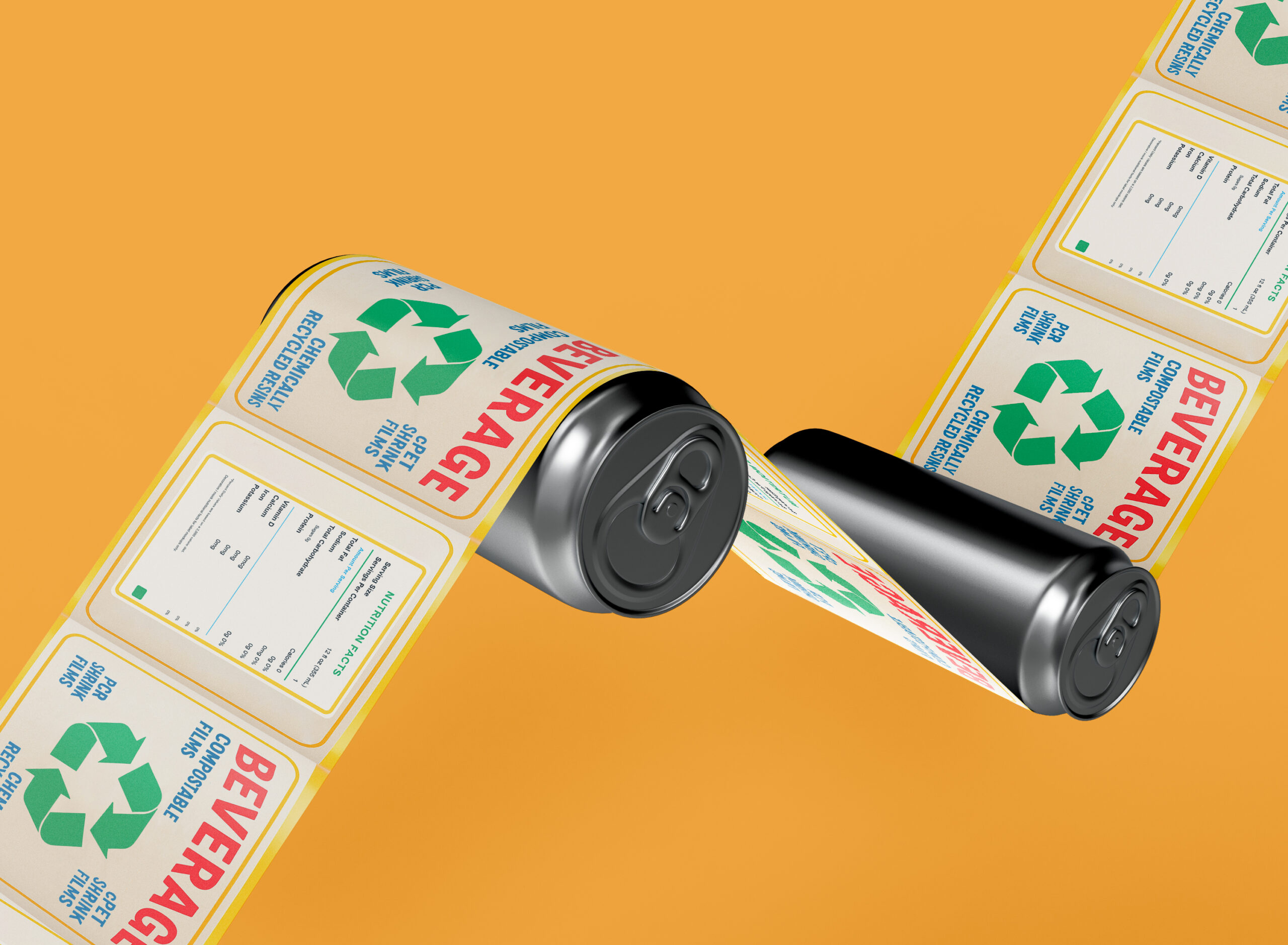
Labeling materials have come a long way. Thanks to advancements in material science and a growing variety of container and packaging formats, there are now more sustainable labeling options than ever before. The combinations available to brands are nearly limitless.
One of the earliest and most effective strategies, downgauging films, remains a go-to solution. By reducing material thickness, manufacturers not only cut costs but also reduce the volume of plastic entering the waste stream.
Post-consumer recycled (PCR) shrink films have seen major improvements, especially with the increasing availability of chemically recycled resins. These offer better clarity and performance than mechanically recycled alternatives, which often suffer from brittleness, discoloration, and reduced shelf-life.
Another major shift is the transition from PETg to cPET shrink films. Unlike PETg, which introduces glycol and contaminates recycling streams, cPET is compatible with PET recycling. When paired with the right adhesives and wash-away inks, cPET sleeves can be recycled alongside PET bottles; the inks flake off during the hot caustic bath, reducing contamination in the recycled plastic.
Compostable films like PLA, made from renewable resources such as corn, remain a viable option for niche applications. However, they must be kept separate from PET recycling streams to prevent contamination. Other innovations include magnetic coatings that help separate shrink sleeves during recycling, improving material recovery, and the use of perforated labels, making it easier for consumers to remove labels before disposal, especially on aluminum cans.
Design Enhancements with Purpose
But, sustainability doesn’t mean sacrificing shelf appeal or functionality. Matte/gloss combinations remain popular for their tactile and visual contrast, without a significant cost increase, while high-luster silver inks offer a metalized effect without the cost or complexity of cold foil. These enhancements help products stand out while keeping costs and environmental impact in check.
Functionally, the rise of dairy-based protein drinks has increased demand for UV-blocking shrink sleeves to preserve flavor and freshness. These labels protect product integrity while offering a clean, premium look that resonates with health-conscious consumers.
What Beverage Brands Should Keep in Mind
Sustainability claims must be grounded in compatibility between the label and the container. For instance, using recyclable cPET sleeves on non-PET containers can actually harm recycling efforts rather than help them.
It’s also essential to consider the label material against the application method. Not all films perform the same across different equipment. Even if a converter can supply a specific material, the co-packer’s machinery and expertise must be factored in to ensure smooth application and consistent results.
A Smarter Path Forward
Sustainability is no longer optional; it’s a competitive advantage. By choosing the right labeling materials and working closely with partners across the supply chain, beverage brands can reduce their environmental footprint without compromising performance or design.
Whether you’re exploring recycled content, recyclable films, or compostable options, the key is to align your label strategy with your packaging goals, production capabilities, and consumer expectations.
Subscribe to our email list for the latest in flexible packaging news.