
The landscape of bar packaging has shifted dramatically as consumer preferences evolve toward “clean label” products, keto-friendly high-fat recipes, and holistic wellness brands. For brands, the challenge is twofold: ensuring the product remains fresh and contained through technical barrier protection while maintaining a premium, shelf-ready aesthetic that attracts health-conscious buyers.
Success in modern bar wrap design requires a deep understanding of the chemistry behind cold seals, the physics of barrier films, and the latest digital capabilities for rapid market entry.
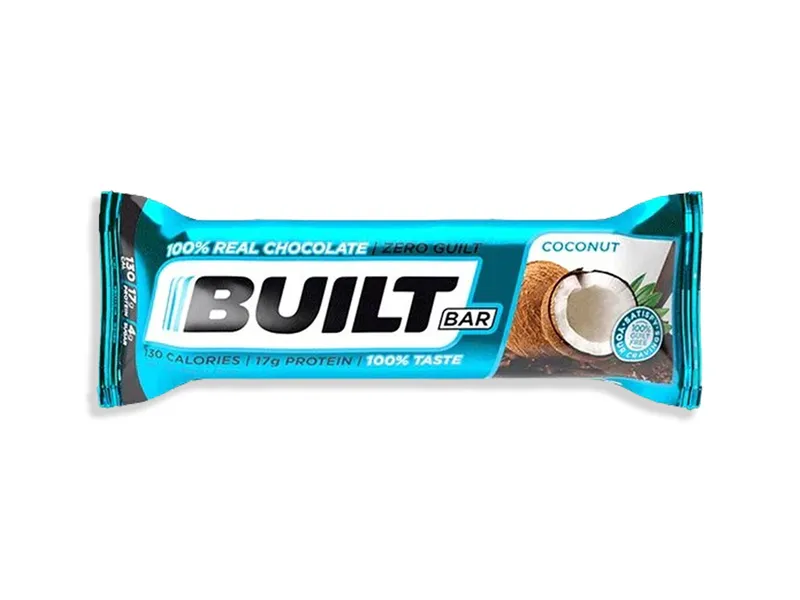
Why is Cold Seal Technology Preferred for Bar Wraps?
In the world of high-volume bar production, cold seal is often the gold standard. Unlike heat sealing, which requires “dwell time” to melt film layers together, cold seal utilizes pressure-sensitive cohesive applied in specific patterns that stick primarily to itself.
- Speed and Efficiency: Cold seal wrappers can run two to three times faster than heat seal bars because they do not require the dwell time needed to heat up and melt the film.
- Product Integrity: For temperature-sensitive items like chocolate-coated bars or ice cream, cold seal is the favored choice to prevent the product from melting during the packaging process.
- The Role of Release Lacquer: A critical component is the specialty release lacquer applied to the outside of the label. Without this coating, the cold seal adhesive would stick to the backside of the film in its roll form, preventing it from unwinding properly on the production line.
- Alignment Precision: Proper alignment of the cohesive pattern is vital; if the patterns do not line up during the packaging process, you risk cutting into the seals or producing “open bars” that lack enough adhesive in the right spots.
How Do High-Fat and Keto Bars Impact Seal Integrity?
The rise of keto and high-fat bars over the last few years has introduced a significant packaging hurdle: oil migration. If the sealant layer is not optimized, oils can leak through microscopic channels in the seal area, leading to greasy wrappers and stained outer shipping boxes.
Manufacturers have focused heavily on developing sealant layers that “caulk” together effectively to eliminate these micro-tunnels. Currently, Cast Polypropylene (CPP) is the industry’s go-to sealant for oily bars to prevent the “oily wrapper” phenomenon. This choice is less about the general moisture barrier and more about the physical integrity of the seal against aggressive fats.
Comparison of Barrier and Sealant Technologies
| Feature | Technology Type | Primary Benefit | Technical Application |
| Sealant | Cold Seal | Speed & Heat Protection | Pressure-sensitive cohesive pattern |
| Sealant | Cast Polypropylene (CPP) | Grease/Oil Resistance | Prevents leakage in high-fat/keto bars |
| Barrier | Metalized Film | Maximum Protection | Vacuum deposited aluminum for shelf-life |
| Barrier | Aluminum Oxide (ALOX) | Clear Protection | Provides moisture and oxygen barrier |
| Barrier | EVOH | Clear Oxygen Barrier | Often embedded in sealant layers for oxygen protection |
Are You Choosing the Right Aesthetic for Your Brand?
The “look and feel” of a bar is often the first point of contact with a consumer. Modern flexible packaging allows brands to customize the aesthetic without sacrificing the necessary protection for the product’s makeup.
- Metalized vs. Clear: Brands can choose a classic silver metalized finish for maximum shelf-life or utilize ALOX/EVOH for a clear look that allows consumers to see the natural ingredients inside.
- Secondary Packaging Optimization: If you are packaging stick packs or small candies inside a larger “dust pouch,” you may not need an expensive barrier on the secondary bag, as the primary packaging already handles the protection.
- Digital Prototyping and Mock-ups: Digital presses allow for very small runs of mock-ups for trade shows or market testing. These can then be transitioned to larger flexographic presses for commercial orders.
- In-House Control: Having in-house pre-press and plate-making departments helps maintain control over color variations between digital prototypes and final flexo production, ensuring a seamless brand image.
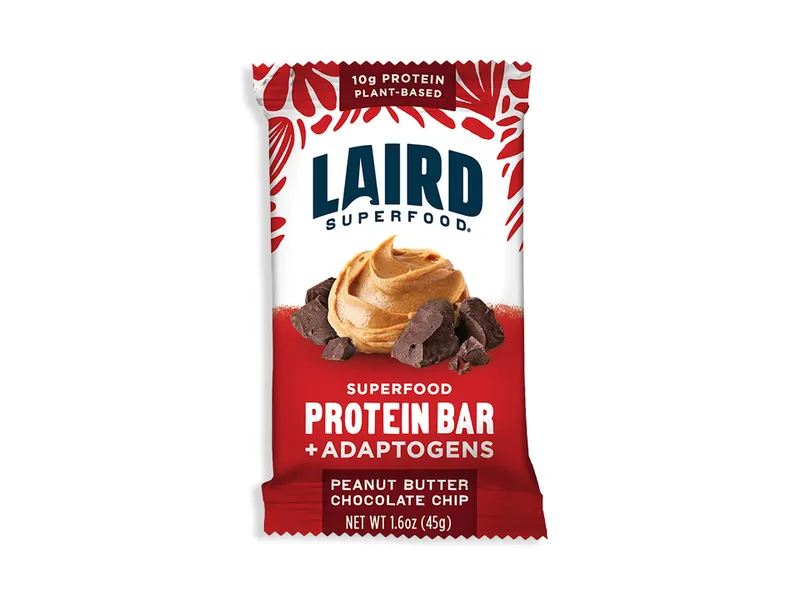
What are the Emerging Trends in Sustainable Bar Wraps?
Sustainability remains a major conversation, though bar wrappers have faced slower adoption of eco-friendly materials due to limited options and the small size of the packages. Consumers often view bar wrappers as “on-the-go” waste rather than something to be collected for recycling.
- PCR Options: Post-consumer recycled (PCR) content is an available option for brands looking to integrate recycled materials into their current structures.
- Store Drop-off: Some large brands have implemented store drop-off recyclable wrappers, though there is a general feeling that many consumers do not take the time to return such small packages to the store.
- Curbside Recyclable Paper: A growing interest in paper-based materials is emerging. These materials are technically curbside recyclable, allowing them to be placed in standard recycling bins alongside cardboard and cans.
By balancing these technical requirements—from cold seal patterns and oil-resistant sealants to digital color matching and sustainable materials—you can ensure your product arrives in the consumer’s hand fresh, clean, and visually compelling.
Subscribe to our email list for the latest in flexible packaging news.

CL&D is an award-winning leader in high-quality flexographic and digital printing. From shrink sleeves to recyclable pouches, we provide diverse flexible packaging solutions and support services that help consumer brands stand out from the competition.