In the rapidly evolving world of protein packaging, the term “visual freshness” has moved from a marketing buzzword to a critical operational requirement. As consumer trends shift toward premium, ready-to-eat meals and sustainable sourcing, processors are re-evaluating traditional methods in favor of Vacuum Skin Packaging (VSP).
While traditional overwrap has long been the backbone of the industry, VSP is emerging as a strategic asset that balances premium presentation with significant operational efficiencies.
Why is VSP Considered a “Second Skin” for Protein?
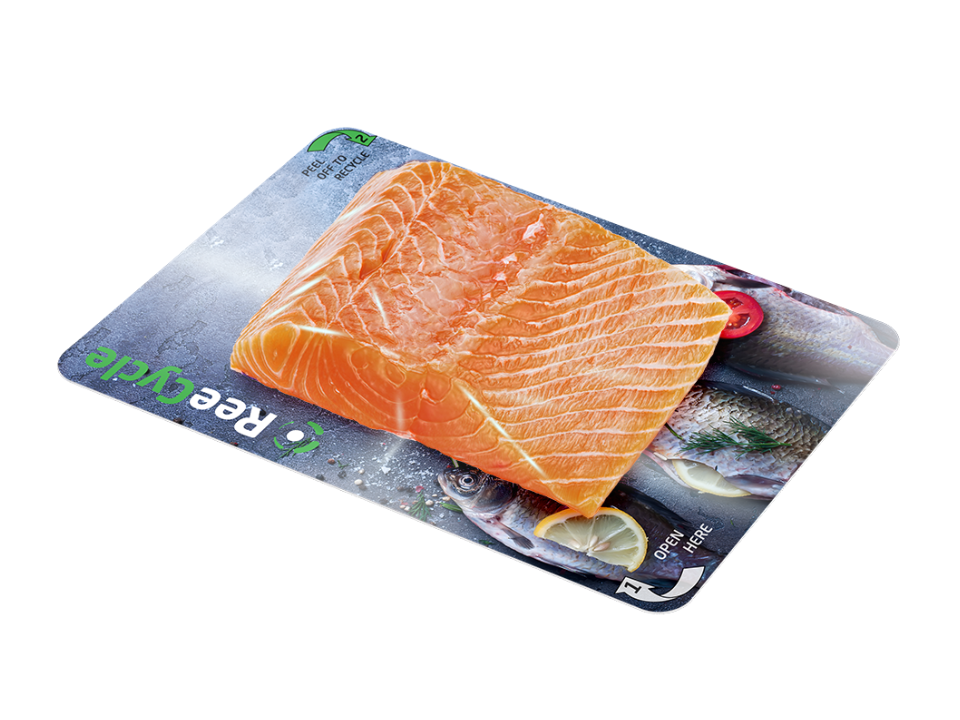
The core differentiator of VSP is its ability to provide a clear, tight-fitting film that follows the exact contours of the product. Unlike traditional overwrap, which often uses printed film that can obscure the product, VSP utilizes a completely clear film. This provides the consumer with a nearly 360-degree view of the meat, allowing them to inspect the quality and texture before purchase.
Beyond the Window: Operational Flexibility
One of the most significant ROI drivers for VSP is its SKU versatility.
- Universal Film Usage: Unlike overwrap machines that require different printed film rolls for every customer or product, VSP machines can run the same clear film for many different SKUs.
- Simplified Branding: Branding is achieved through external sleeves, band labels, or stickers.
- Reduced Downtime: Changing a cardboard sleeve or a sticker takes significantly less time than swapping out rolls of printed film, increasing total volume through the plant.
The Efficiency Breakdown: Overwrap vs. VSP
When deciding between these two technologies, processors must weigh immediate material costs against long-term throughput and labor impacts.
| Feature | Traditional Overwrap | VSP (Tray Sealer) |
| Branding Method | Printed film rolls | Sleeves, labels, or stickers |
| Product Visibility | Partially blocked by print | Clear, 360-degree view |
| Changeover Time | High (roll changes) | Low (sleeve/label change) |
| Leak Resistance | Leak resistant | Leak proof |
| Throughput | ~60-65 trays/min (e.g., 500E) | ~80-85 trays/min (Top seal) |
| Logistics | Wobbly/unstable stacking | Superior stackability |
Is VSP the Key to Sustainable Protein Packaging?
The industry is currently facing a “moot point” regarding skin-on-board packaging due to severe supply chain constraints. Major suppliers have largely cut off the production of these boards, forcing a shift toward shallow polypropylene (PP) or PET trays.
The Shift to PET and Recyclability
While polypropylene is easier to source and has natural adhesive properties when heated, the industry is trending toward PET (Polyethylene Terephthalate) for its recycled content.
- Technical Challenges: Sealing film to PET is more difficult because PET does not melt like PP; it requires specific adhesives or “glued edge” trays.
- Waste Reduction: VSP can potentially reduce case sizes due to better stackability. By utilizing a flat or inverted seal, trays stack securely inside one another, opening the door for increased automation and robotics in case packing.
How Does Extended Shelf Life Impact Your Geographic Reach?
Shelf life is no longer just about food safety; it is a strategic asset for market expansion.
- Shipping Distance: By extending freshness, processors can ship products significantly further from their home facilities.
- Supply Chain Entry: Longer shelf life opens doors to large-scale supply chain partners and distributors who require longer lead times.
- Consumer Perception: Unlike Modified Atmosphere Packaging (MAP), which uses gas to maintain color, VSP is often perceived by consumers as a more “honest” and premium presentation.
“VSP gives you a chance to view the product via a window and make a better selection at the grocery store.” — Eric Ayers, Strategic Accounts Manager, Ossid
The “Aha” Moment: Labor and Automation
While processors often focus on the speed of the machine, the first real “aha” moment often comes from the labor force.
- Ergonomics: Manual or traditional wrapping is physically intensive. Switching to a semi-automatic or automatic VSP solution immediately reduces strain on workers’ hands, arms, and backs.
Ready-to-Eat Trends: The current “hot” item in retail is ready-to-eat meals. While these are currently expensive due to being hand-loaded, the stackability and uniformity of VSP trays are designed to eventually accommodate robotic loading and cobots, which will cause the price of these meals to plummet.
FAQ: Frequently Asked Questions about VSP Integration
Is VSP more expensive than overwrap?
Yes, in terms of initial ROI on a pre-made tray, overwrap is difficult to beat on cost alone. However, VSP commands a premium price point at retail and offers long-term savings through reduced film waste and faster SKU changeovers.
Can I test VSP without a million-dollar investment?
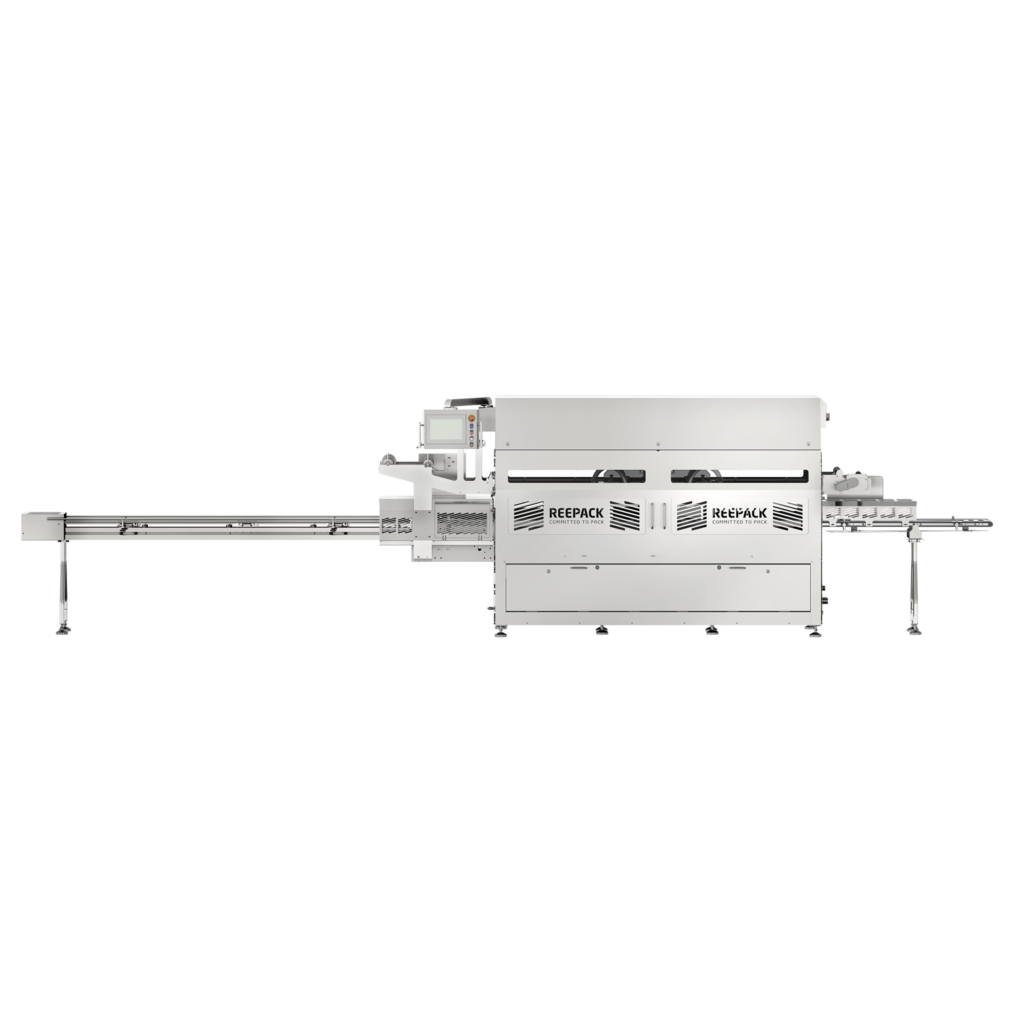
Absolutely. There are many entry-level solutions, such as tabletop units (e.g., RT30 or RT25), that allow small-to-mid-sized suppliers to enter the market with a premium product for a fraction of the cost of a full-scale line.
Does VSP help with “leakers”?
One of the biggest sticking points for major retailers is the “leaker” rate. While overwrap is “leak-resistant,” VSP is considered 99.9% leak-proof, providing a much cleaner experience for both the retailer and the end consumer.
By bridging the gap between premium consumer presentation and robust operational efficiency, Vacuum Skin Packaging isn’t just an upgrade to your production line—it is a sustainable, future-proof investment in your brand’s bottom line.
Subscribe to our email list for the latest in flexible packaging news.