
By Erik Zellmer
In today’s fast-evolving packaging landscape, co-packers face increasing pressure to do more with less. Customer demands are shifting, product portfolios are expanding, and packaging formats continue to multiply. To remain competitive, co-packers need machinery that can adapt quickly, not just to today’s requirements, but to tomorrow’s opportunities.
One of the most pressing challenges is machine flexibility. While a machine may be purchased for a specific project or product, most co-packers run multiple SKUs on the same production line. Equipment that lacks versatility can quickly become a bottleneck.
Planning Beyond Today’s Project
When evaluating new equipment, forward-thinking co-packers are evaluating equipment with both current production and future growth in mind.
Rather than focusing on a single specification, co-packers consider the full range of products they may run in the future. For example, club stores and large retailers currently offer continue to expand SKU variety, and those who anticipate evolving packaging requirements will be best positioned to succeed. That means understanding potential package sizes and market opportunities – and investing in the right machinery capable of supporting them.
This forward-looking approach helps future-proofs investments, allowing co-packers to expand into new markets without repeated capital expenditure.
The Growing Importance of Fast Changeovers
As SKUs continue to rise, flexibility is no longer just about running different products; it’s about how quickly co-packers can switch between them.
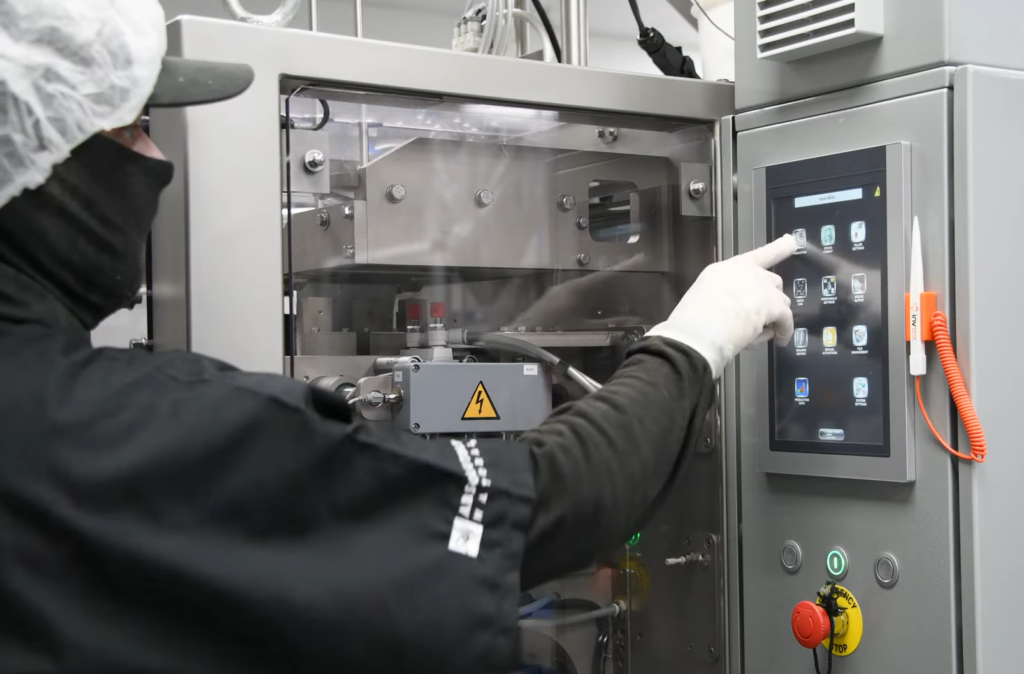
Reducing changeover time has become critical. Modern machinery increasingly incorporates servo-driven systems and automated adjustments that minimize manual intervention. These technologies help operators perform changeovers more efficiently while improving consistency and repeatability.
Automation also reduces the risk of setup errors. Automated positioning ensures precise, repeatable positioning, machines return to the exact settings every time, reducing downtime and improving overall reliability.
One Machine, Multiple Packaging Formats
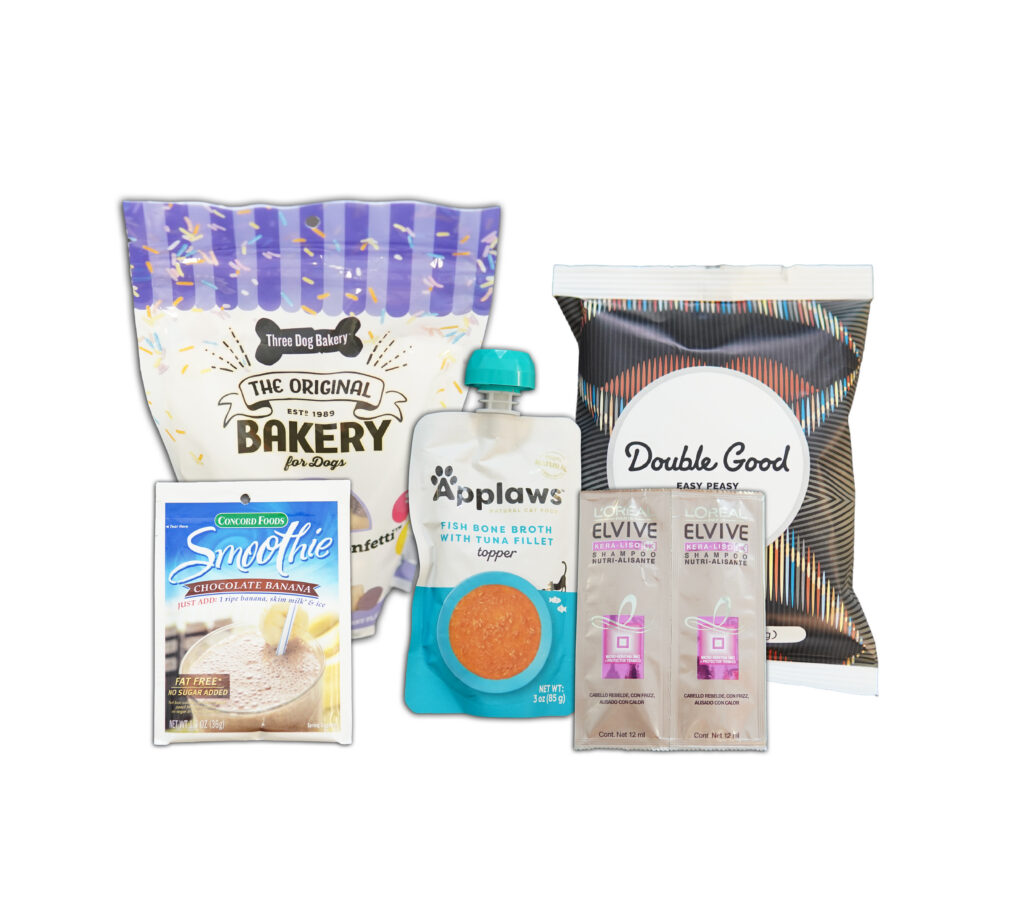
Co-packers are also looking for equipment that can handle a wide range of package styles.
Rather than investing in separate machines, many prefer solutions capable of running multiple formats, including:
- Sachets
- Four-sided seal packages
- Bottom-gusset bags
- Stand-up pouches
This versatility allows co-packers to pursue a broader range of business opportunities while maximizing the use of their existing equipment.
Solving the “Chicken-and-Egg” Challenge
One of the unique challenges facing co-packers is determining when to invest in new equipment. Retailers may ask whether a co-packer can support a particular format or product type, while co-packers may hesitate to invest in new equipment until business is secured, creating a classic chicken-and-egg scenario.
Successful co-packers are addressing this challenge by investing ahead of demand. By purchasing versatile equipment before contracts are finalized, they can immediately respond to new customers’ prospective opportunities. In an industry where equipment lead times can stretch for months, being able to say “we can start now” becomes a significant competitive advantage.
The Continued Shift Toward Flexible Packaging
The transition from rigid to flexible packaging is expected to accelerate in the years ahead. According to Future Market Insights, a Delaware-based market research firm, the global flexible packaging market is projected to grow from $332.7 billion in 2025 to more than $550 billion over the next decade.
Products that were once packaged in cartons, boxes, or rigid containers are increasingly moving to pouches and bags, a trend already established in Europe and gaining traction in North America.
One notable example is dry pasta. While still commonly boxed in the US, flexible pouch formats have gained widespread adoption in European markets, a shift likely to continue stateside in the coming years.
The driving forces behind this transition are both economic and practical. Flexible packaging uses less material, takes up less space during transportation, and can significantly improve shipping efficiency. As freight and supply chain costs rise, these benefits become increasingly compelling for manufacturers and retailers.
A Partner for the Future
The future of co-packing belongs to companies that can adapt quickly. Machine versatility, faster changeovers, multi-format capability, and forward-thinking strategic investments are essential for staying competitive.
ProMach’s Flexible Packaging Group, comprised of Bartelt Packaging, Matrix, and HMC Products, supports co-packers in designing flexible packaging solution tailored to their applications. With one central point of contact and access to more than 50 product brands, ProMach is a one-stop, full-service provider, providing a streamlined approach from planning through installation and set-up.
As packaging trends continue to evolve and customer demands become more diverse, co-packers that embrace and prioritize versatility will be best positioned to capitalize on tomorrow’s opportunities.
Erik Zellmer is the Midwest Regional Sales Director for ProMach’s Flexible Packaging Group. He can be reached at Erik.Zellmer@ProMachBuilt.com.
Subscribe to our email list for the latest in flexible packaging news.
