
By Kevin Webster
For food and consumer goods manufacturers, few decisions carry as much operational and financial impact as whether to rebuild an existing packaging machine or invest in a new one. As production demands evolve and pressure mounts to improve efficiency and maximize ROI, understanding the advantages and limitations of each option is critical.
For ProMach’s Flexible Packaging Group, this decision isn’t about promoting one solution over another; it’s about helping customers determine the best choice for their operation.
Understanding the True Cost Equation
The rebuild-versus-replace conversation often begins with cost – but it doesn’t end there.
For lower-value equipment, purchasing new may be the more practical option. If a rebuild approaches a significant percentage of the cost of a new machine, the benefits of new technology, improved performance, updated safety features, and warranty coverage can quickly justify replacement.
With higher-value equipment, the value of the existing asset plays a larger role in the decision. In many cases, rebuilding a machine at a fraction of the replacement cost can deliver significant savings while extending the life of a proven system.
The key is evaluating both the initial investment and the long-term return.
The Difference Between a Rebuild, Conversion, and Upgrade
Before deciding on a course of action, it’s important to understand the differences between a rebuild, conversion, and upgrade.
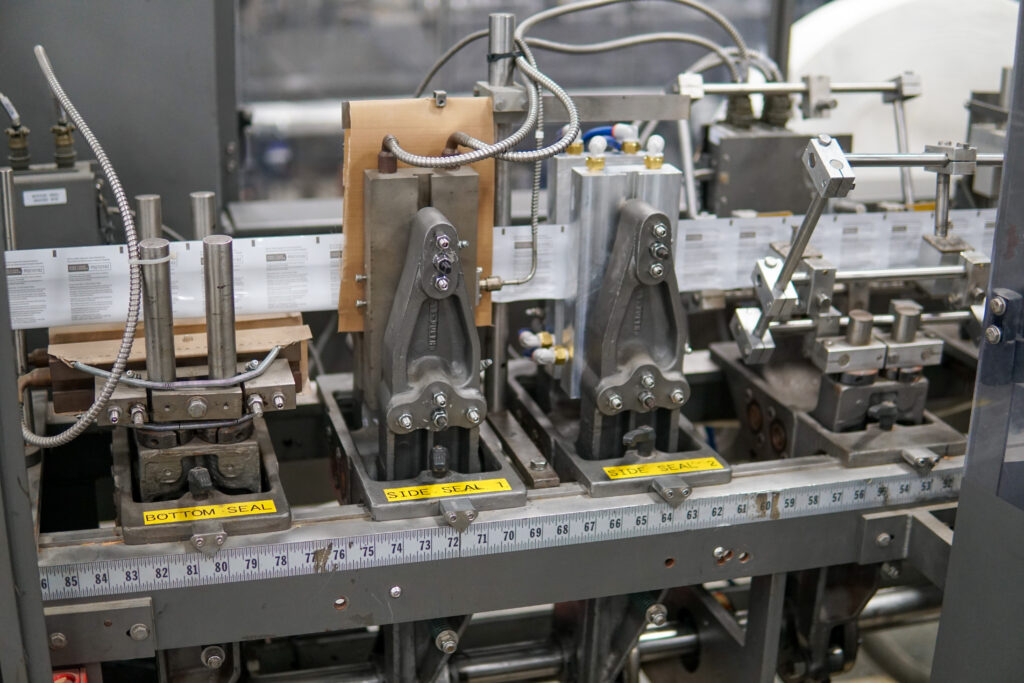
A rebuild is a comprehensive mechanical restoration that involves disassembling the machine, replacing worn components such as bearings and seals, and restoring the equipment to near-original performance. A rebuild can significantly extend machine life and improve reliability.
A conversion modifies an existing machine to accommodate new packaging requirements. This may include adding features such as zippers, hole punches, additional fillers, or the ability to run new materials or package formats.
An upgrade expands the machine’s capabilities, such as enabling additional pouch styles, increasing flexibility, or improving product handling.
While these terms are sometimes used interchangeably, each serves a distinct purpose and addresses different goals.
When Rebuilding Makes Sense
Rebuilding is often the best option for high-value, highly customized equipment.
Bartelt’s IM Series machines, for example, are frequently configured for specific applications and may include multiple fillers, tandem pouch systems, or unique product-handling features. Replacing a customized machine this complex can be significantly more expensive than rebuilding it.
Bartelt machines are also engineered for longevity. With proper maintenance, a rebuild can extend a machine’s lifespan by 20 to 30 years, making it an attractive long-term investment.
Supporting those rebuild efforts is HMC Products, also part of ProMach’s Flexible Packaging Group and a recognized specialist in packaging equipment rebuilds and remanufacturing. HMC works closely with manufacturers to restore and modernize equipment, helping extend asset life and maximize the value of existing investments.
Many manufacturers schedule rebuilds during planned plant shutdowns or annual maintenance periods, minimizing production disruption while maximizing the return on maintenance spending.
The Challenges of Rebuilding
Although rebuilding offers clear advantages, it’s not without potential challenges.
One of the biggest variables is discovering the full scope of work. Until a machine is completely disassembled, it can be difficult to identify every component requiring replacement. This may lead to additional parts needs, schedule adjustments, or extended downtime.
Time is another consideration. Depending on the machine’s configuration and condition, a full mechanical rebuild can take two weeks or longer, including reassembly, testing, and product validation. Electrical upgrades may require less time but still demand careful commissioning and troubleshooting.
Despite these challenges, a properly executed rebuild can restore performance and reliability for decades.
When Buying New is the Better Choice
There are situations where investing in new equipment offers greater value.
For more standardized machines with limited customization, the cost of rebuilding, combined with downtime and incremental performance improvements, may not justify the investment. In these cases, new equipment can deliver the benefits of modern technology, enhanced operator efficiency, and compliance with current industry standards.
A new machine may also be the best option when production requirements have significantly evolved, and existing equipment can no longer support future growth, throughput goals, or packaging formats.
While lead times for new equipment often range from six to seven months, the long-term gains can outweigh the wait.
The Hidden Cost of Waiting
One of the costliest mistakes manufacturers can make is postponing a needed rebuild.
Early warning signs such as web-tracking issues, timing inconsistencies, excessive wear, or declining performance rarely resolve themselves. Left unaddressed, these problems often worsen, increasing both the scope and cost of future repairs.
Beyond expenses, deteriorating equipment can reduce throughput, affect package quality, and create unplanned downtime, all of which can impact profitability.
Proactive evaluation and timely action help avoid these risks and preserve equipment performance.
Taking a Partnership Approach
Ultimately, the rebuild-versus-replace decision isn’t one-size-fits-all.
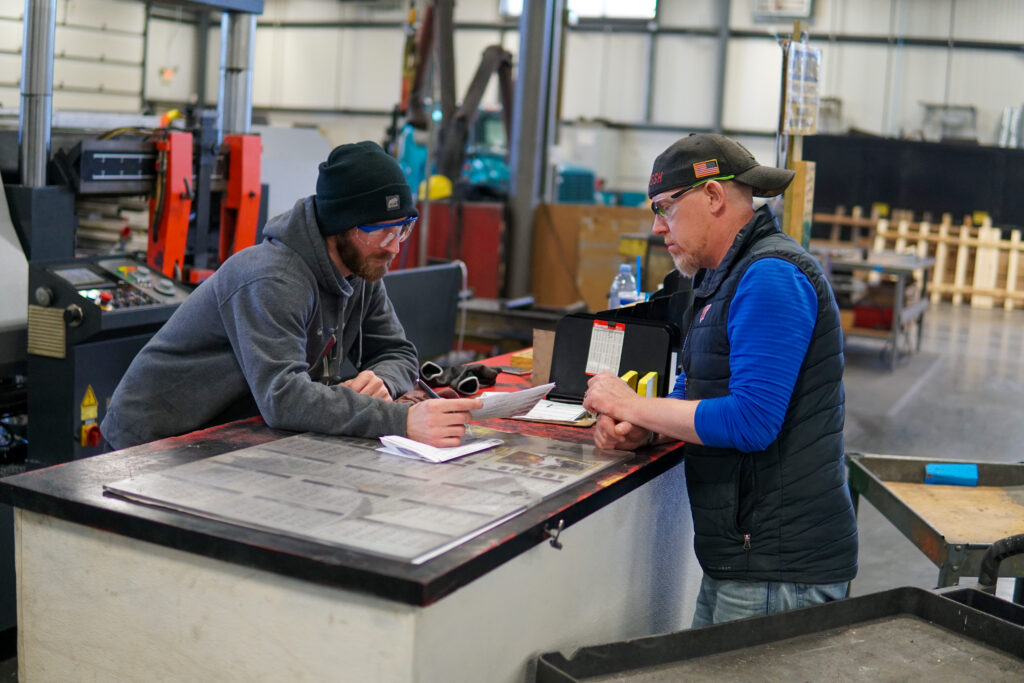
At Bartelt, we work closely with customers to evaluate their equipment condition, production requirements, budget considerations, and long-term objectives to present a clear, unbiased recommendation. In many cases, we provide pricing for both rebuild and replacement options, allowing customers to make informed decisions based on a complete understanding of the trade-offs.
When a rebuild is the right solution, customers can also leverage the expertise of HMC Products, another ProMach brand within the Flexible Packaging Group. While HMC specializes in equipment rebuilds, remanufacturing, and modernization, Bartelt brings extensive experience in new packaging equipment design, manufacturing, and application engineering. Together, the two organizations provide complementary capabilities that support equipment throughout its lifecycle, from extending the value of existing assets through rebuilds and modernization to implementing new technologies and equipment when replacement is the better long-term solution.
This collaboration helps manufacturers make informed decisions based on performance goals, operational requirements, and return on investment.
The goal is simple: deliver the solution that provides the greatest value, performance, and reliability for the operation.
Contact us today to schedule a line assessment, explore rebuild or upgrade opportunities, or request a quote for new equipment. Whether you’re looking to extend the life of an existing asset or invest in next-generation packaging technology, we’ll help you move forward with confidence and maximize the return on every packaging decision.
Kevin Webster is a Regional Sales Manager for the Flexible Packaging Group at ProMach. He can be reached at Kevin.Webster@ProMachBuilt.com.
ProMach’s Flexible Packaging Group (FPG) brings together the expertise of Ossid, Matrix, Bartelt, HMC, and CL&D to offer a single, trusted point of contact for diverse packaging needs. By working together as one team, the FPG makes it easier to make decisions and provides customized, complete solutions from the first idea all the way to the finished product.