
In the highly competitive sectors of cosmetics, pharmaceutical dosing, personal care, and specialty food processing, the structural silhouette of a retail package serves a critical dual purpose. It functions as both a frontline brand ambassador on retail shelves and a secure physical barrier engineered to preserve product efficacy. For years, operations teams and corporate marketing divisions have engaged in a foundational design debate: how to systematically choose between a three-sided seal pouch and a four-sided seal pouch architecture.
While mechanical engineering specifications dictate machine parameters, actual market adoption reveals that pouch configuration choice is overwhelmingly driven by consumer perception, brand positioning, and target retail demographics. However, selecting a format isn’t as simple as basic design selection. Bridging the gap between creative marketing concepts and high-speed factory reality requires a deep dive into product fill volume, material efficiency, sustainability regulations, and long-term equipment lifecycle engineering. This article breaks down the technical and commercial factors that guide the decision between 3-sided and 4-sided pouch architectures.
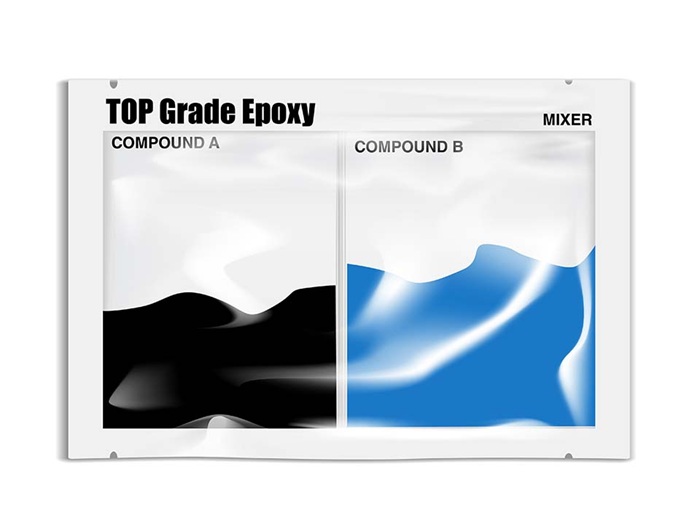
What Drives Pouch Selection: Is Form or Function the True Decision-Maker?
When analyzing how product teams choose their final packaging layout, equipment operators frequently check for specific technical constraints. Certain chemical properties or high-consequence volume limits dictate strict parameters. For example, if a product requires an exceptionally dense, high-capacity fill within a compact surface area, or if strict product testing dictates ultra-low residual oxygen levels inside the pouch cavity, these functional criteria will heavily influence the layout. Yet, outside of these extreme specialized scenarios, field data demonstrates that the vast majority of pouch selection conversations are fundamentally marketing-driven.
Brands rarely make this selection based solely on a machine’s technical preference. Instead, they look closely at historical field precedents, competitive intelligence, and visual brand equity. A company will choose a specific seal configuration either to seamlessly match a leading competitor’s established market format or to execute a bold visual shift that stands out distinctly on retail hangers and countertops. The modern consumer instinctively cross-references visual presentation with perceived product quality, turning simple physical packaging folds into a significant driver of commercial sales velocity.
Interestingly, actual manufacturing configurations are often limited by existing resource constraints. If a retail product company partners with a specific contract packaging firm (co-packer), the product company will typically bow to whatever mechanical production lines are already available on that co-packer’s factory floor. In these common operational loops, brands routinely alter their ideal package graphics just to fit available manufacturing assets. However, when these brands scale to the point of investing in their own dedicated machinery—partnering directly with an OEM like Bartelt Packaging—they use the opportunity to pivot to the exact pouch format they originally desired, breaking free from the legacy constraints of outsourced manufacturing lines.
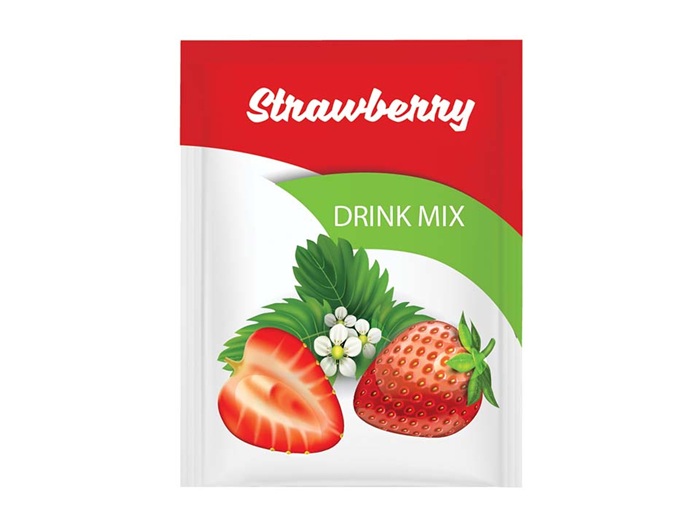
Why Are Brands Transitioning Away From Traditional Pillow Packs to Premium Flat Pouches?
One of the most notable visual macro-trends sweeping across the premium cosmetics, clinical skincare, and pharmaceutical sample sectors is a deliberate, widespread transition. Brands are migrating away from the traditional “pillow pack” (a standard vertical fin seal structure) and moving aggressively toward flat three-sided or four-sided seal configurations. This pivot is primarily an exercise in premium product positioning and visual layout optimization.
Expert Operational Perspective: The shift from a traditional pillow pack to a three or four-sided seal pouch is almost entirely driven by consumer optics. Flat pouches present a smooth, continuous front and back canvas that completely avoids the graphic interruption of a center fin seal, signaling premium product quality to the end-user.
Pillow packs naturally form a rounded, bulbous shape upon filling and require a continuous fin or lap seal running directly down the center of the package’s back side. This seam splits the reverse real estate, severely disrupting text layout, nutritional grids, usage instructions, and required regulatory warning labels. Conversely, three-sided and four-sided flat pouches provide completely uniform, flat, unblemished front and back surfaces. This geometric clarity provides marketing teams an optimal layout for bold graphics, matte or glossy specialty coatings, and readable text blocks. The immediate cognitive assumption by the consumer is clear: a cleaner, higher-quality package format indicates a higher-quality, premium formulation inside.
Strategic Selector: Pouch Architecture Comparison Matrix
| Core Metric | Performance / Impact Index | Operational Impact Description |
| Internal Product Volume | █ █ █ █ █ █ █ █ █ ░ (95%) | Advantage: 3-Sided Seal. Given identical external dimensions, a 3-sided pouch provides a significantly larger internal volume because it eliminates the physical width of a fourth perimeter seal. |
| Graphic Layout Real Estate | █ █ █ █ █ █ █ █ ░ ░ (85%) | Advantage: 4-Sided Seal. Provides a completely flat, tensioned canvas on both faces. Perimeter seals frame the artwork perfectly, making it the premier format for high-end cosmetic samples. |
| Raw Web Film Savings | █ █ █ █ █ █ █ ░ ░ ░ (70%) | Advantage: Pillow Pack. Traditional vertical fin seals remain highly cost-efficient regarding raw material usage per ounce, though they sacrifice flat graphic appeal and face-to-face premium branding. |
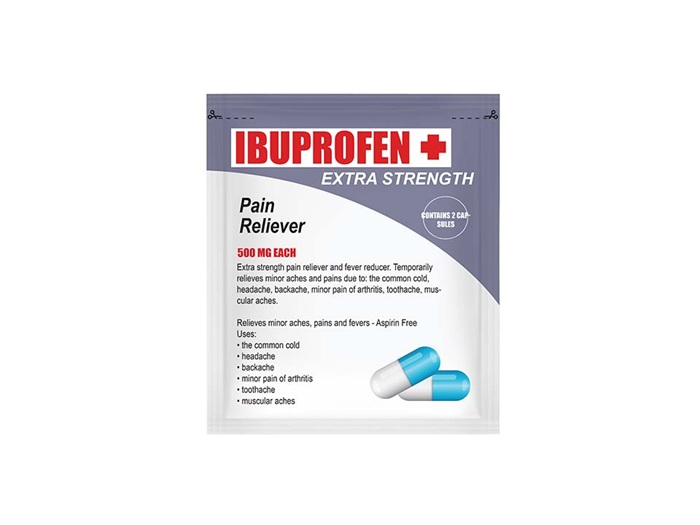
How Do High-Performance Lines Quantify Packaging ROI and Operational Agility?
Investing in advanced horizontal or vertical packaging machinery requires a rigorous calculation of Return on Investment (ROI). While financial controllers look for obvious operational indicators—such as direct manual labor reduction, physical headcount reassignment, and higher units shipped per shift—true manufacturing efficiency covers broader, subtle operational factors. For instance, legacy or low-grade packaging systems often generate hidden operational waste through inaccurate product dosing, poor product yields, and high film scrappage during startup adjustments.
Modern automated machinery changes this equation by drastically improving weight accuracy and sealing consistency. When a manufacturer packages high-value liquids, premium cosmetics, or expensive pharmaceutical powders, even a tiny amount of product giveaway (overfill) across millions of cycles represents a massive financial drain. High-accuracy, automated systems eliminate this product loss, generating immediate ROI through material precision alone. Furthermore, true packaging agility shifts the conversation from raw mechanical cycle speed to overall plant optimization. By running a highly efficient, reliable machine line, operators can reallocate valuable human labor away from tedious manual packaging tasks and place them in higher-value, strategic areas of the facility.
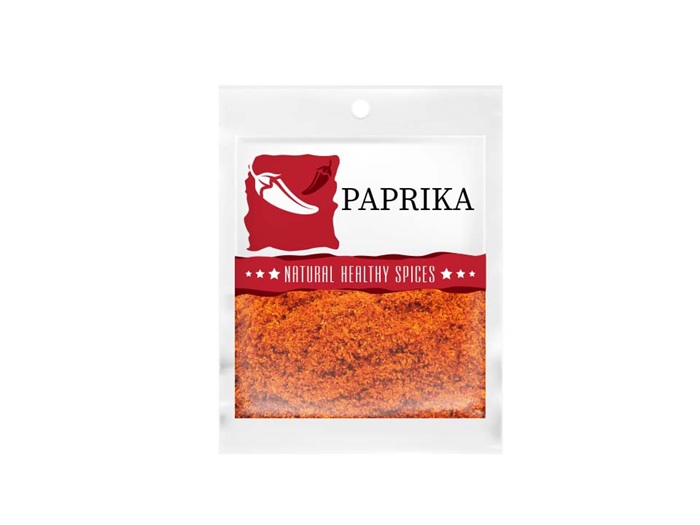
The Next Wave: How Do Sustainability Regulations Shape the Future of Pouch Engineering?
While graphic appeal and production line speeds dominate immediate plant metrics, the regulatory horizon is introducing a mandatory shift in packaging materials. This wave is especially evident on the West Coast of the United States and within California, where landmark environmental laws are forcing sustainability into the center of corporate operations. Concepts like circular economies, compostability, and full material recyclability have graduated from corporate social responsibility talking points directly into rigid legal manufacturing mandates.
This shifting legal landscape changes the traditional material conversation. Historically, packaging films were complex, multi-layered laminates containing separate layers of polyethylene, aluminum foil, and polyester to create an impenetrable barrier. Today, brands must transition to monomaterial polyolefins or recyclable substrates. Because these green alternatives possess vastly narrower heat-sealing windows and completely different tensile stretching behaviors under production stress, legacy packaging machines often struggle, resulting in defective seals and high film waste. High-performance OEMs counter this risk by optimizing machine physics—engineering advanced thermal sealing controls and ultra-precise film tracking mechanisms that run sustainable webs at maximum speed without compromising seal integrity.
Beyond the Machine: The Lifecycle Support Ecosystem
A true machine deployment is a decades-long relationship. Leading manufacturers expect comprehensive end-to-end support ecosystems that safeguard long-term production uptime:
- Upfront Application Engineering: Leveraging decades of cross-industry data to thoroughly test specific film chemistries and custom pouch profiles before building hardware, completely eliminating field integration issues.
- Strategic Spare Parts Infrastructure: Utilizing multi-tiered, customer-site spare parts kits structured for brand-new operations or legacy overhauls to keep vital wear items immediately on the warehouse shelf.
- Geographically Distributed Field Support: Deploying specialized field technicians strategically across North America to ensure local support is always nearby, minimizing wait times and avoiding coast-to-coast travel delays.
- Full-Line Integration Capacity: Accessing broad corporate umbrellas (like ProMach) to smoothly link raw material feeding, advanced product conveyance, and automated end-of-line secondary case packing into a single unified automation line.
Ultimately, selecting between a three-sided and a four-sided pouch style is merely the starting point of a larger manufacturing roadmap. By understanding that marketing priorities drive visual trends, while machine precision, raw material yield, and sustainability compliance protect the bottom line, brands can confidently design their packaging lines. Partnering with an experienced packaging engineer ensures that whether a brand deploys a high-capacity three-sided pouch or a premium four-sided format, the production line will deliver consistent quality and profitability for years to come.
Subscribe to our email list for the latest in flexible packaging news.

Bartelt delivers reliable, long-lasting pouching and cartoning solutions to food and non-food industries. A pioneer in automated packaging, Bartelt was the first to develop intermittent motion HFFS pouching machines. Today, Bartelt offers durable solutions for both primary and secondary packaging, from simple to advanced applications.