By Tony Kaufman
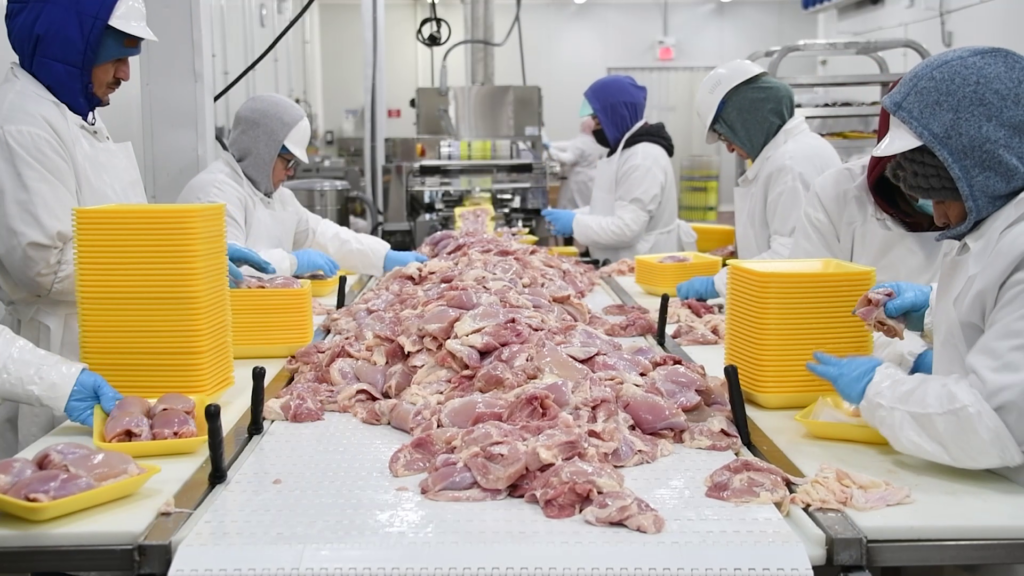
Everyone in the meat and protein industry is familiar with today’s labor challenges. From shortages of unskilled workers to high turnover and retention issues, it’s an uphill battle. A 2023 study conducted by PMMI (the Association for Packaging and Processing Technologies) found that nearly two-thirds of respondents cited labor as their biggest operational challenge, and 47 percent said they would consider automating any task that could replace reliance on human labor.
Automating packaging operations offers an opportunity to ease these pressures, especially as operations scale. For example, a small meat processor might initially require 5-10 employees to manually package products, but labor demands increase quickly as that facility grows.
For many processors, the challenge isn’t if automation is necessary, but when and how to take the next step without disrupting operations or overextending resources. Missed shifts, frequent retraining, and production slowdowns are often early signs that a manual process is no longer sustainable.
Automation rarely happens all at once. Most successful operations take a phased approach, starting with the most labor‑dependent processes, then expanding automation as volumes and operational confidence grow. This strategy helps spread capital investment over time, minimizes risk, and ensures each solution is fully utilized before moving forward.
Small meat producers products manually probably rely on single or double vacuum chamber machines. This solution works well for limited production runs, but they are labor intensive and can restrict scalability or the ability to pivot to more competitive packaging formats.
When producers are ready to introduce automation, upgrading to a tray sealer or pre-formed tray machine is often the next step. Products currently packaged in vacuum bags typically transition well to a tray overwrap or thermoformed package. These solutions remove several manual steps from the packaging process, reducing labor requirements while increasing throughput.
Automation not only reduces labor demands but also increases speed and efficiency, two advantages that help secure new business and deliver maximum return on investment. In addition to solving staffing issues, it’s a smart investment that supports long-term success and expansion.
Automation isn’t just a short‑term response to labor shortages; it’s a strategic tool for building a more resilient packaging operation. By taking a thoughtful, progressive approach, processors can align automation investments with business goals and grow at a pace that makes sense for their operation.
Whether you’re a small meat processor, a large national brand, or somewhere in between, Ossid offers packaging solutions that deliver reliable, consistent service while adding speed and efficiency to operations. From vacuum chamber systems and tray sealing and overwrapping equipment to high-speed thermoforming machines, Ossid offers packaging solutions designed to meet your production goals today and tomorrow.
Tony Kaufman is Ossid’s Northeast Sales Manager. He can be reached at Tony.Kaufman@ProMachBuilt.com.
Subscribe to our email list for the latest in flexible packaging news.