
For decades, the primary metric of success in the flexible packaging industry was straightforward: raw mechanical speed. Manufacturers fiercely optimized machine cycles, engineering hardware to spit out pouches at blistering linear rates. However, as the medical, wellness, and pharmaceutical landscapes undergo a rapid transformation, that singular focus on velocity is hitting a hard operational reality. Today, packaging lines must operate within highly complex environments where physical square footage is at a premium, direct-to-consumer mail-order models are exploding, and regulatory verification protocols are stricter than ever before.
In modern contract packaging and pharmaceutical manufacturing, high-speed output is meaningless if a system cannot satisfy strict validation requirements or if it forces a costly facility expansion. True operational excellence now requires a nuanced equilibrium. Equipment must maximize every square inch of the factory floor, adapt dynamically to changing market layouts, and maintain absolute structural data integrity throughout the compliance cycle.
How Do You Balance Production Capacity Without Expanding Your Physical Footprint?
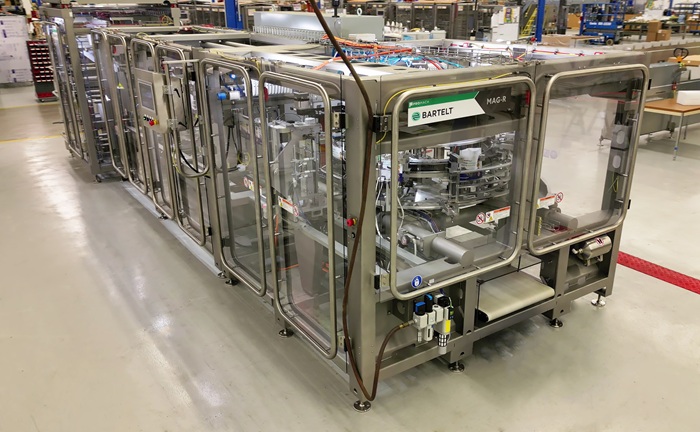
One of the most persistent dilemmas facing modern operations managers is the space constraint barrier. Consumer demand requires more volume, yet physical plant expansions bring massive capital expenditures, lengthy zoning delays, and extended operational downtime. The solution lies in how sophisticated engineering teams configure high-speed pouching layouts before a cleanroom is built, or how they adapt modular units to existing square footage.
When engineering a line from a clean slate, space utilization can be optimized from day one. Utilizing compact, high-output machinery allows teams to design duplex or triplex machine configurations. A duplex or triplex system multiplies volume output within the exact same linear machine footprint by feeding, filling, and sealing multiple pouches simultaneously. This effectively doubles or triples throughput without demanding a single extra square meter of structural floor space.
Conversely, if the room’s physical dimensions are already locked in and rigidly limited, the tactical deployment must adapt. Rather than forcing a single massive machine into an unaccommodating space, a highly effective alternative strategy is deploying multiple compact units. This decentralization allows manufacturers to scatter compact, automated pouching systems across multiple smaller, specialized rooms—achieving cumulative production targets through agility rather than a massive physical footprint.
What Is the Number One Fear When Moving From Manual to Automated Pouching?
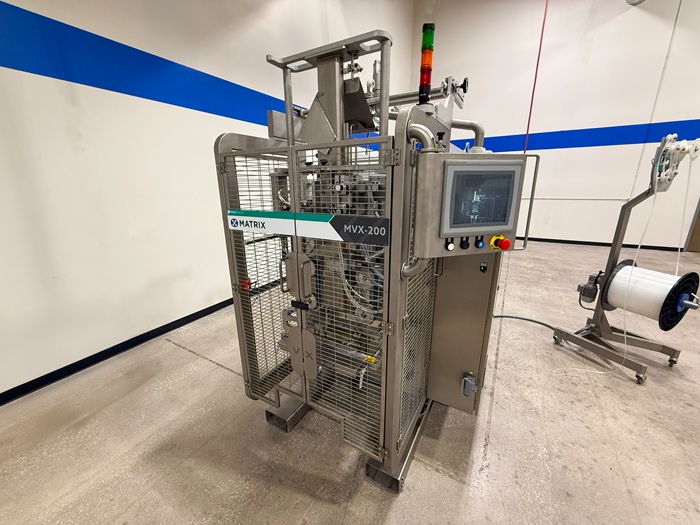
The journey from a manual or semi-automated packaging process to full automation represents a massive leap forward in efficiency, but it is frequently met with operational friction. Based on extensive field experience working with expanding brands, the primary hurdle isn’t the technical learning curve—it is the anxiety surrounding long-term capacity planning and output prediction.
Industry Insight: The most common fear that growing companies face during automation transitions is accurately predicting their future output capacity, which often leads to underestimating their needs a few short years down the road.
It is remarkably common for scaling wellness and medical companies to underestimate their market traction. They invest in introductory automation that satisfies immediate regional volumes, only to find themselves coming back to the equipment manufacturer two or three years later needing entirely new lines to meet soaring demands. While predicting market behavior 24 to 48 months out is notoriously difficult, a consultative equipment partner mitigates this risk through future-proofed machinery design. True flexible automation involves investing in individual units built with latent capacity, allowing a brand to easily double its mechanical output on the same unit as its market matures.
Operational Complexity Map: Traditional Blister Packs vs. Single-Dose Pouches
| Core Metric | Performance / Impact Index | Operational Impact Description |
| Marketing & Appeal | █ █ █ █ █ █ █ █ █ ░ (95%) | Pouches offer superior branding real estate and align seamlessly with modern consumer wellness trends. |
| Mail-Order Logistics | █ █ █ █ █ █ █ █ ░ ░ (85%) | Flexible single-dose sachets lay flat, driving down shipping costs and optimizing postal dimensions. |
| Material Handling | █ █ █ █ █ █ ░ ░ ░ ░ (65%) | Advanced technical engineering is required to cleanly feed sticky, delicate, or uniquely shaped solid doses. |
How Is the Single-Dose vs. Multi-Dose Evolution Reshaping Machinery Investments?
The conversation around packaging formats has evolved dramatically over the last 24 months. While multi-dose packs and complex tandem configurations (such as separate morning and evening dose pouches) remain active topics in product design labs, actual commercial purchasing data shows an overwhelming surge in single-dose pouching, often referred to as sachets. Major pharmaceutical and commercial wellness brands are actively transitioning their cornerstone products away from traditional, rigid thermoformed blister packs into flexible single-dosage pouches.
This major shift is propelled by two distinct catalysts: competitive marketing and e-commerce mail-order efficiency. From a marketing perspective, brands are racing to match the sleek, modern packaging signatures of major industry disrupters. From a supply chain perspective, the explosion of subscription-based mail-order pharmaceuticals demands flat, durable, and lightweight packaging. A highly successful fulfillment strategy involves packaging one pill into an individual small sachet, and then consolidating a full 30-day supply into a single, secure “master pouch.” This master pouch architecture streamlines mail sorting, slashes shipping overhead, and provides an elevated unboxing experience for the end consumer.
Why Does Validation Turn Machinery Vendors into Process Consultants?
When operating in high-consequence industries like medical devices, consumer health, or corporate food processing (such as the strict corporate standards enforced by global giants), the relationship between an equipment buyer and a machine manufacturer must evolve. It can no longer be a simple transactional exchange. Strict compliance frameworks elevate the machine builder from a basic equipment vendor into a critical process consultant.
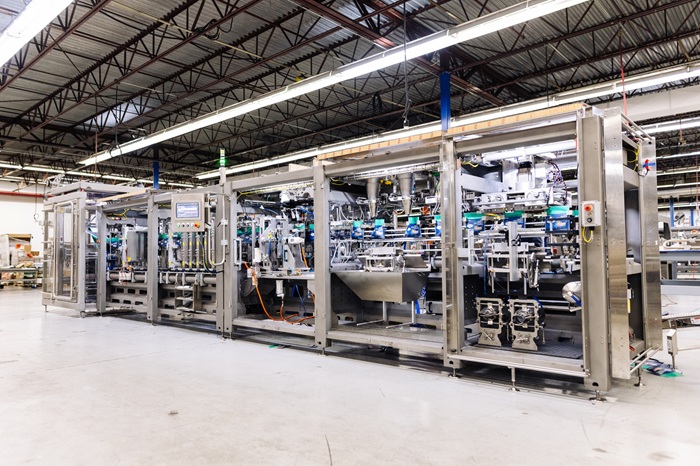
Modern pharmaceutical and food production demands an airtight User Requirement Specification (URS) alignment. Before a single piece of steel is cut, the manufacturer and customer must systematically negotiate every technical requirement to guarantee full regulatory compliance. This consultative partnership is especially vital when dealing with advanced material handling challenges. For example, feeding specialized, tricky, or sticky tablets requires highly intelligent, custom-engineered tablet feeders. These systems must feed doses flawlessly into a simplex or duplex configuration while maintaining a flawless electronic data trail, ensuring complete traceability and absolute regulatory compliance from product hopper to final sealed master pouch.
The Three Pillars of Comprehensive Machinery Validation:
- Installation Qualification (IQ): Verifying and formally documenting that the pouching system is delivered, mounted, and plumbed in exact accordance with engineering specifications and facility environmental requirements.
- Operational Qualification (OQ): Testing the machinery’s absolute boundaries to guarantee it operates reliably, safely, and repeatably across its entire specified speed, temperature, and pressure ranges.
- Performance Qualification (PQ): Documenting that the entire integrated packaging line consistently produces compliant, hermetically sealed, and properly counted product under actual, long-term manufacturing stress.
Ultimately, staying competitive in the modern pharmaceutical and wellness sectors requires shifting the definition of success from raw speed to holistic operational agility. By selecting consultative equipment partners who can harmonize space constraints, future-proofed automation, and rigorous validation protocols, manufacturers can confidently navigate compliance while scaling for tomorrow’s demand.
Subscribe to our email list for the latest in flexible packaging news.

Bartelt delivers reliable, long-lasting pouching and cartoning solutions to food and non-food industries. A pioneer in automated packaging, Bartelt was the first to develop intermittent motion HFFS pouching machines. Today, Bartelt offers durable solutions for both primary and secondary packaging, from simple to advanced applications.