
In the competitive landscape of modern retail, a product has approximately three seconds to catch a consumer’s eye. This pressure has transformed packaging from a simple protective vessel into a critical brand ambassador. Central to this evolution is the mastery of 360-degree graphics and the underlying material science that makes high-performance labeling possible.
By leveraging advanced shrink sleeve technology, brands can move beyond the limitations of traditional flat labels, embracing the contours of unique container shapes while ensuring durability and sustainability. This guide explores how the intersection of design and science, specifically within the context of CL&D expertise, can elevate your packaging strategy.
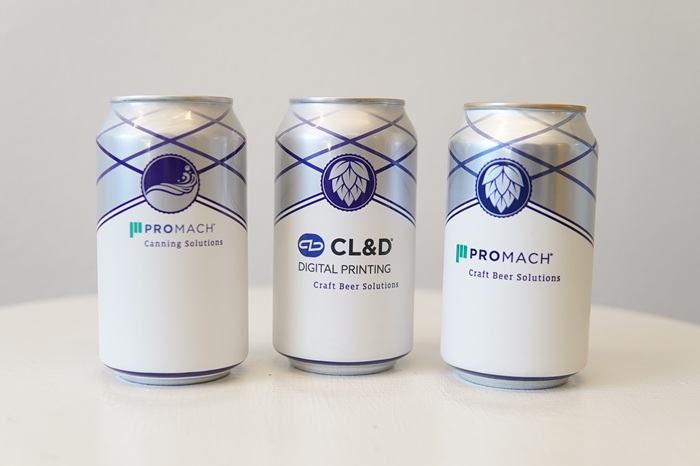
What is the Power of 360-Degree Branding?
Traditional pressure-sensitive labels (PSLs) are often restricted to the flat surfaces of a container. While effective, they leave significant “billboard space” unused. Shrink sleeves, however, utilize the entire surface area of a container from top to bottom.
This 360-degree canvas allows for:
- Enhanced Storytelling: More room for brand narratives, regulatory information, and usage instructions without crowding the design.
- Visual Impact: Bold, wraparound graphics that maintain their integrity even on complex, high-contour shapes.
- Elimination of Secondary Packaging: A full-body sleeve can often replace the need for outer boxes or additional tamper-evident bands.
How Does Material Science Dictate Performance?
Material selection is not a “one-size-fits-all” decision. The success of a shrink sleeve depends on how the film reacts to heat and how it interacts with the container’s geometry. Choosing the wrong substrate can lead to “smileys” (distorted graphics), “fisheyes” (bubbles), or improper shrinking.
Common Materials and Their Strengths
- PETG (Polyethylene Terephthalate Glycol): The industry standard for high-shrink applications. It offers the highest shrink percentage (up to 78%) and excellent clarity.
- PVC (Polyvinyl Chloride): A cost-effective option for simple shapes with lower shrink requirements (around 60%).
- OPS (Oriented Polystyrene): Preferred for squeeze-bottles due to its low vertical shrink and soft feel.
- Sustainable Options: New innovations include cPET (crystallizable PET) and PCR (Post-Consumer Recycled) content films, which help brands meet “circular economy” goals by being more easily processed in recycling streams.
Best Practices for High-Performance Labeling
To achieve a seamless “print-to-shelf” result, manufacturers must balance creative vision with technical constraints. Here are the industry best practices for optimizing your labeling process:
- Account for Shrink Distortion: Use 3D modeling and pre-distortion software to “shrink” the artwork digitally before printing. This ensures that a logo placed on a curved neck looks proportional once applied.
- Strategic Seam Placement: Always place the vertical seam in an area of the design with minimal text or critical graphics to ensure a clean visual break.
- Orientation of Barcodes: Always orient barcodes vertically. If a barcode is placed horizontally, the shrinking process can “squish” the bars, making them unreadable by scanners.
- Avoid Realistic Imagery in High-Shrink Zones: Realistic faces or geometric shapes (like perfect circles) are prone to looking “off” if there is even a 1% variation in the heat tunnel. Opt for abstract patterns in these areas.
Comparison: Shrink Sleeves vs. Pressure Sensitive Labels
Deciding between these two technologies often comes down to the specific goals of the product line.
| Feature | Shrink Sleeve Labels | Pressure Sensitive Labels (PSL) |
| Coverage | 360-Degree, Full-Body | Limited to flat/slightly curved panels |
| Container Shape | High-Contour, Complex | Flat or Cylindrical |
| Tamper Evidence | Integrated into the label | Requires separate band or seal |
| Durability | High (Reverse-printed on film) | Moderate (Surface-printed) |
| Upfront Cost | Higher (Requires heat tunnel) | Lower (Simple application) |
Why Does the Application Equipment Matter?
Even the best-engineered film will fail if the application equipment is not calibrated correctly. This is where the synergy between the printer (like CL&D) and the equipment manufacturer becomes vital.
The application process typically involves three stages:
- Application: The sleeve is dropped or blown onto the container.
- Positioning: Ensuring the sleeve is at the correct height and orientation.
- Shrinking: Passing through a steam, radiant, or hot air tunnel. Steam tunnels are generally preferred for high-quality graphics as they provide a more uniform heat distribution, reducing the risk of distortion.
Summary of Key Takeaways
- Design for the Shape: Your artwork must be built with the final 3D container in mind, not just the 2D flat print.
- Sustainability is a Science: Choosing “recycling-friendly” materials like cPET is no longer optional for major brands.
- Test Early: Run “blank” shrink tests with your specific container and film type before committing to a full production print run.
- Partner Expertise: Success requires a “triangle of communication” between the brand owner, the label converter, and the equipment provider.
By mastering the nuances of material science and 360-degree design, brands can create packaging that not only protects the product but also commands attention on the shelf and provides a superior consumer experience.